
What is Cocoa?

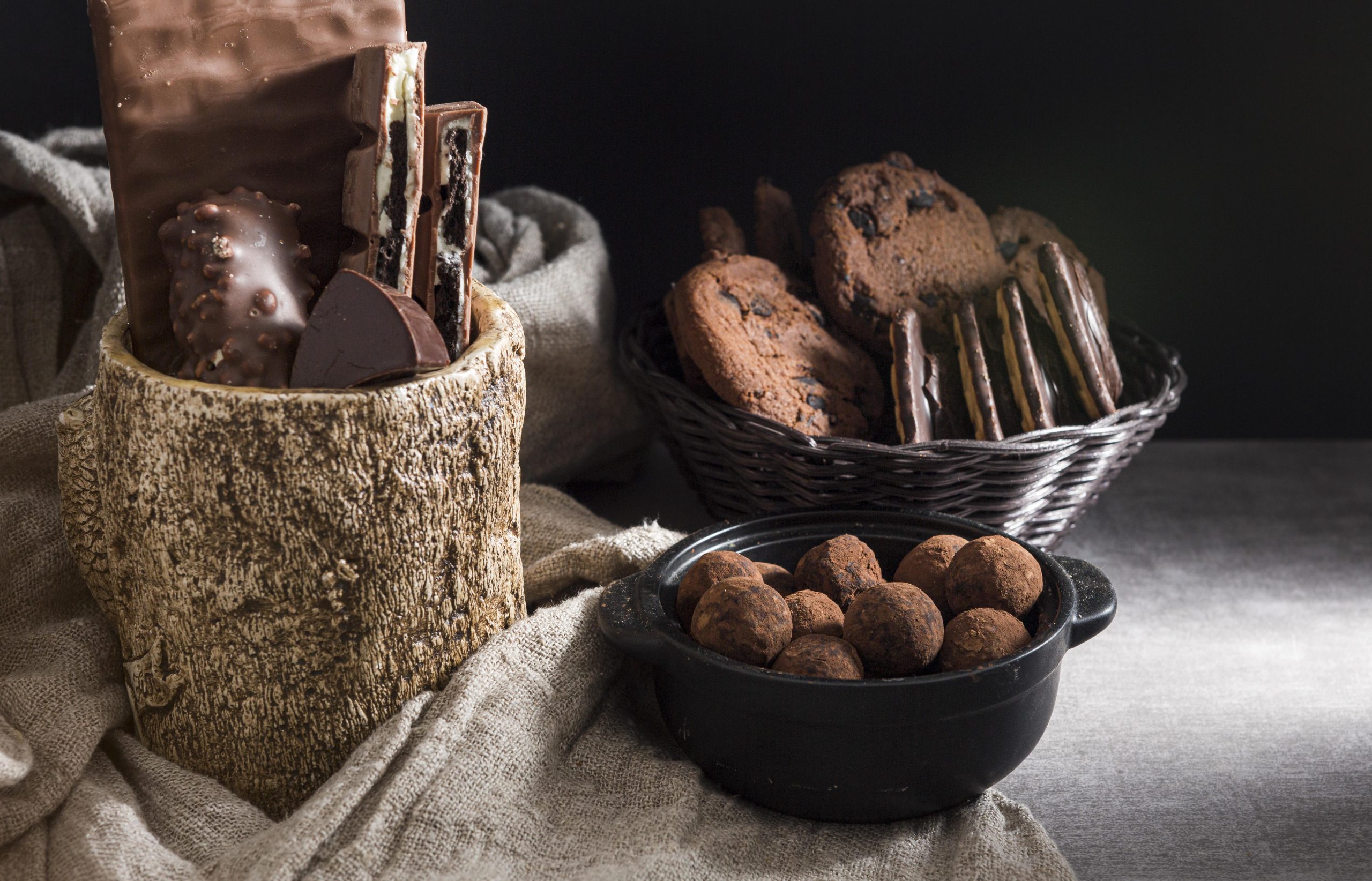
The chocolate bars relished by all come from a source that goes through diverse processes before becoming dark chunks of goodness.

What is Cocoa?

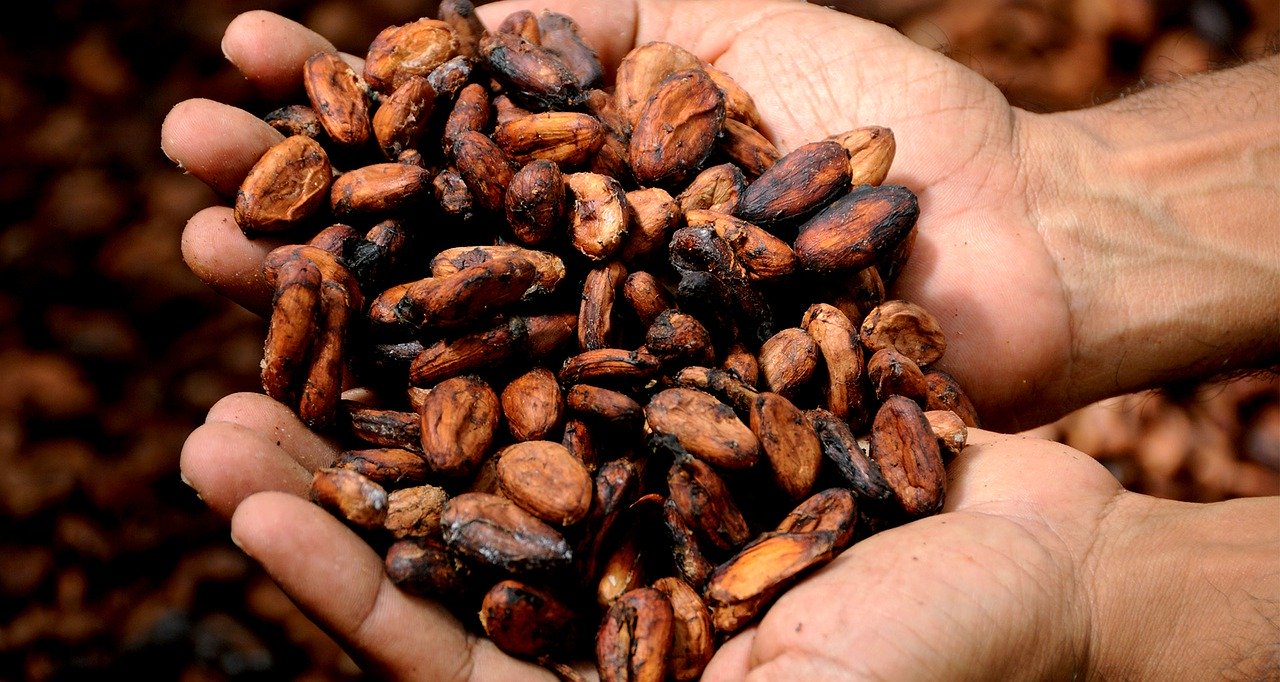
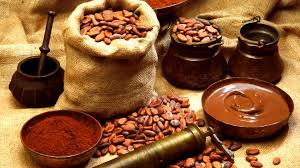
Several people around the world enjoy cocoa products like chocolate and chocolate drinks but only a few people know how cocoa came to be. Cocoa is the dried and fermented seed of the cacao tree also known as Theobroma cacao. From the cacao tree, you can get cocoa solids and cocoa butter.
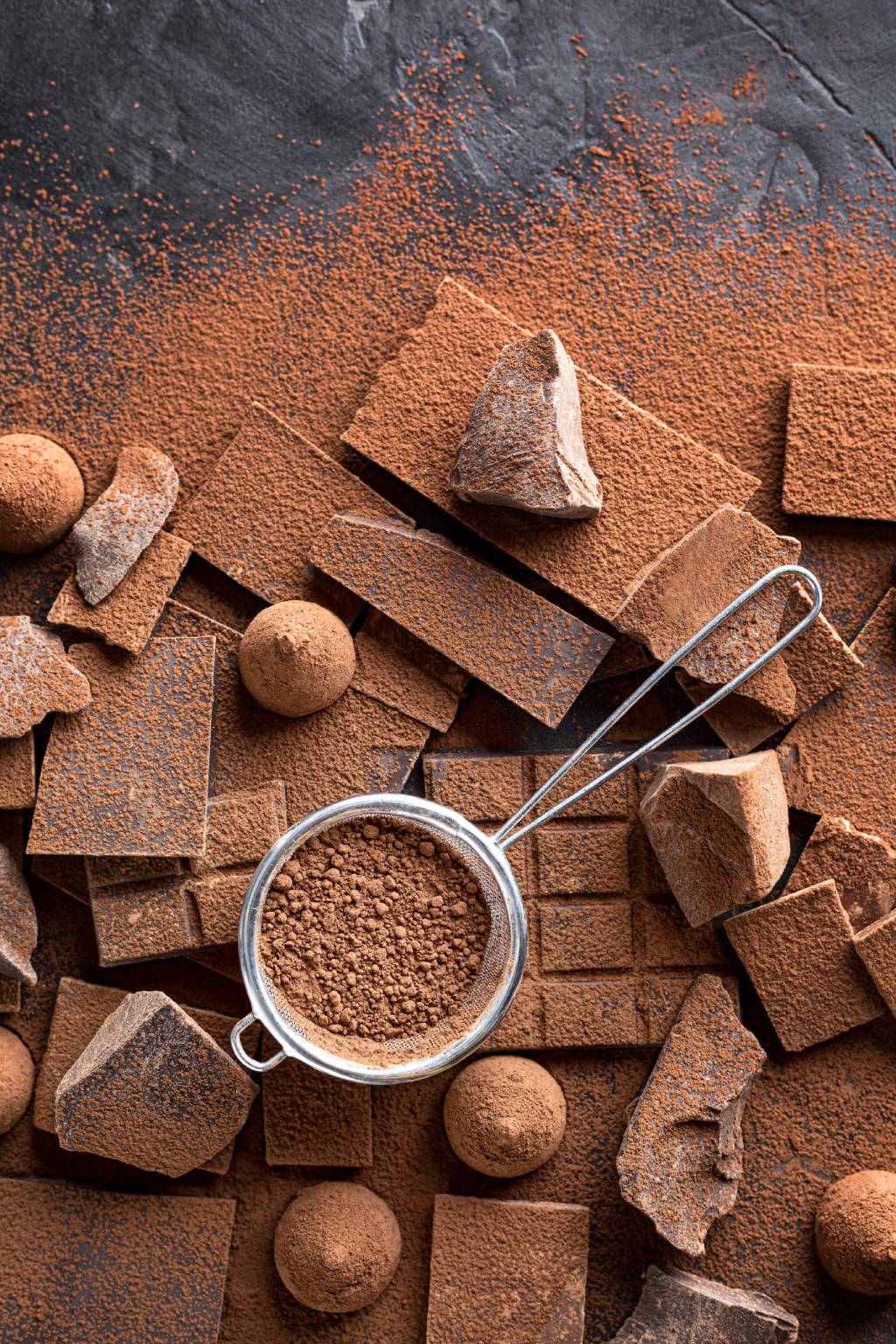
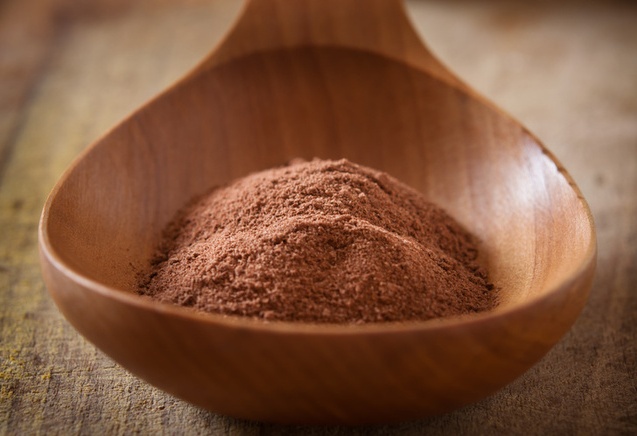
Cocoa could mean three things. First off, it is the drink commonly known as hot chocolate. It could also mean cocoa powder. The cocoa powder is gotten by grinding cocoa seeds and taking out the cocoa butter from the solids. Lastly, cocoa could be a mixture of cocoa butter and cocoa powder, which is an archaic variety of chocolate.

What are the varieties of Cocoa?

Forastero

The Forastero Variety is the commonest and most grown. This variety accounts for about 80% of the entire cocoa production in the world. Forastero is a Spanish word that is loosely translated to “Stranger” in English. The reason for this name is the Spanish Colonisers first laid hands on the Criollo variety in South America (Mexico). So, they referred to other cocoa varieties from other countries as “foreign.”
Criollo

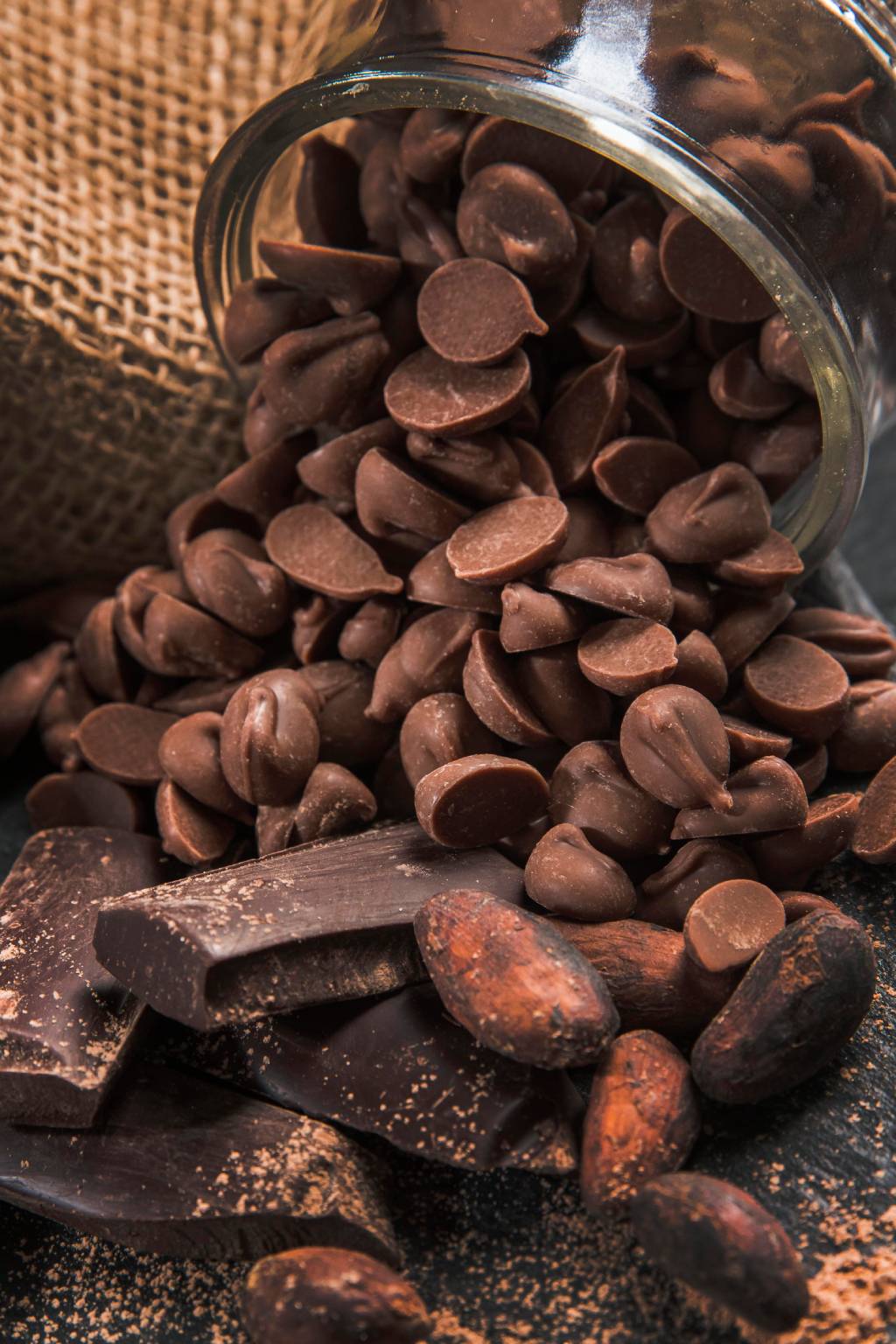
Cocoa manufacturers would tell you that the Criollo variety gives the highest quality and this information is 100% true. This variety is also more expensive than the others and the reason for this is its unmatched superiority.
Trinitario

The Trinitario variety is a special one. It is a hybrid of Forastero and Criollo cocoa, and it inherits traits from both of them. Trinitario variety gets its resistance, toughness, and abundant yields from Forastero. While the Criollo cocoa gets its nice flavours and aromas from Criollo.
What is the history of Cocoa and how did it get to Nigeria?

Cocoa was first developed as a crop in many ancient South American cultures, with the Aztecs and Mayans being the most well-known of the indigenous populations. The Cacao tree was brought from the New World to the Tropics by the Portuguese who are reputed to have planted Cacao on the Island of San Thome (off French Gabon) as far back as 1822.
Cocoa then came to Nigeria by an establishment of Cocoa plantations in Bonny district and Calabar in the 1870s but the area proved not suitable for cultivation. In 1880, a cocoa farm was established in Lagos and more farms were established in Agege and Ota. It was then spread to more parts of the South Western region which were suitable for the cultivation of Cocoa and are used for its cultivation today.

Where is Cocoa grown in Nigeria?  

Cocoa is the leading agricultural export of the country. Nigeria is currently one of the world’s leading producers of Cocoa after the Ivory Coast, Indonesia, and Ghana. It is largely grown in the tropical rainforest area of Southern Nigeria, which provides the ideal conditions for the growth of cocoa.

How is cocoa grown?

Climate Cocoa grows well in areas that are not more than 20 degrees north or south of the Equator, this implies tropical rainforest regions. It grows well in humid tropical climates with regular rains and a short dry season. The trees need even temperatures between 21-23 degrees Celsius with a fairly constant rainfall of 1000 – 2500 mm per year. Planting and cultivation The cocoa tree is usually grown in seedlings raised in nurseries, and when they mature after about six months, they are transplanted. It usually takes three to five years to yield the first crop. Fungi and pests that affect yields As with all crops, diseases occur with cocoa planting. These include Black pod (phytophthora fungus. What Fungicide and pesticide can be used to control them? Protective sprays of copper-containing fungicides are often recommended to control Black pod. Insecticides such as Cocostar 210EC among other recommended pesticides can be used in controlling the harmful pests of cocoa. . Timing for planting and harvest Matured seedlings should be planted at the beginning of the rainy season. Harvest usually starts at the end of the rainy season and goes on into the first few months of the dry season. There are two harvests a year. There is the main harvest and the secondary harvest which usually has lower yields.

How is Cocoa harvested, processed and prepared for exports?

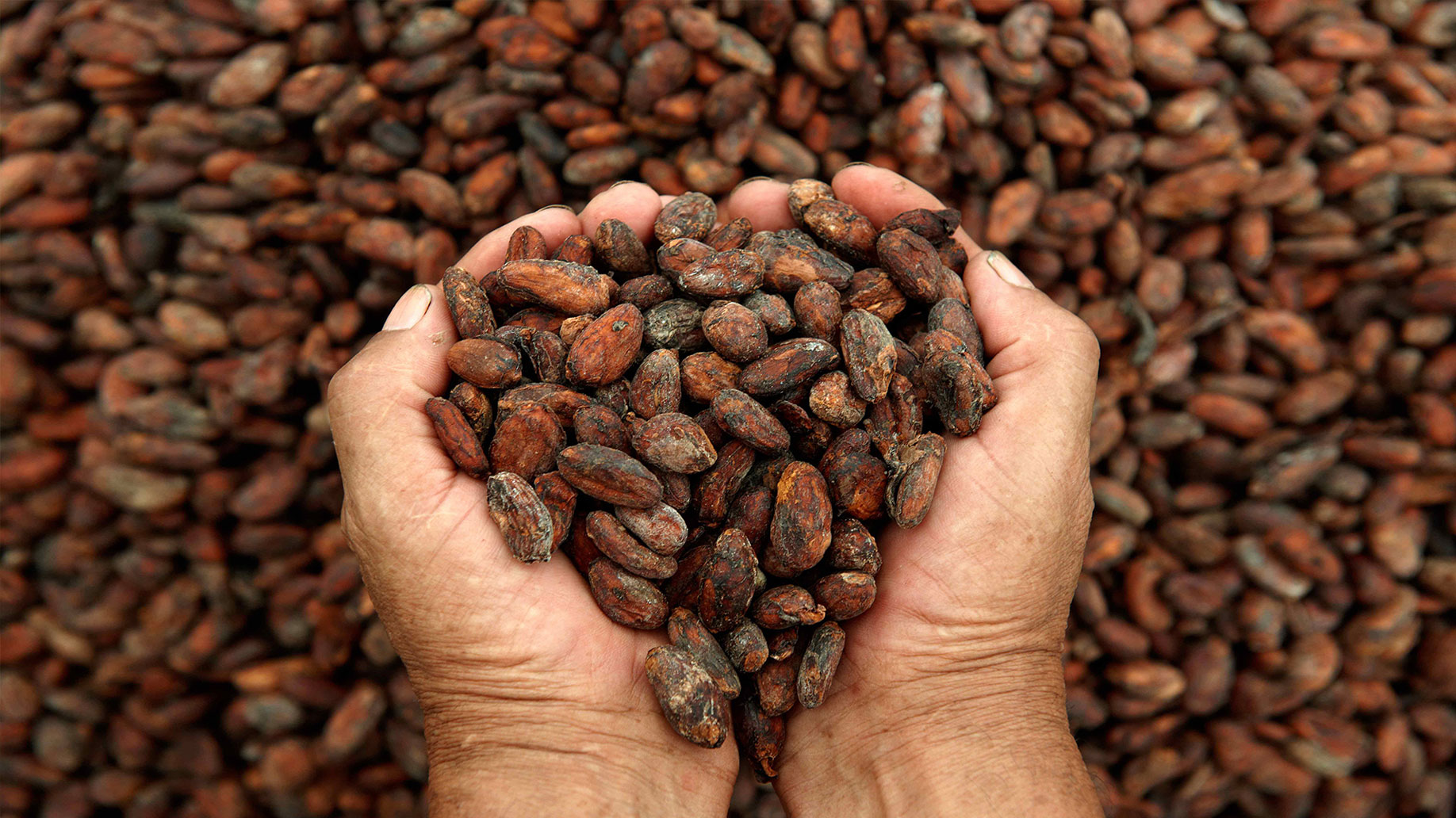
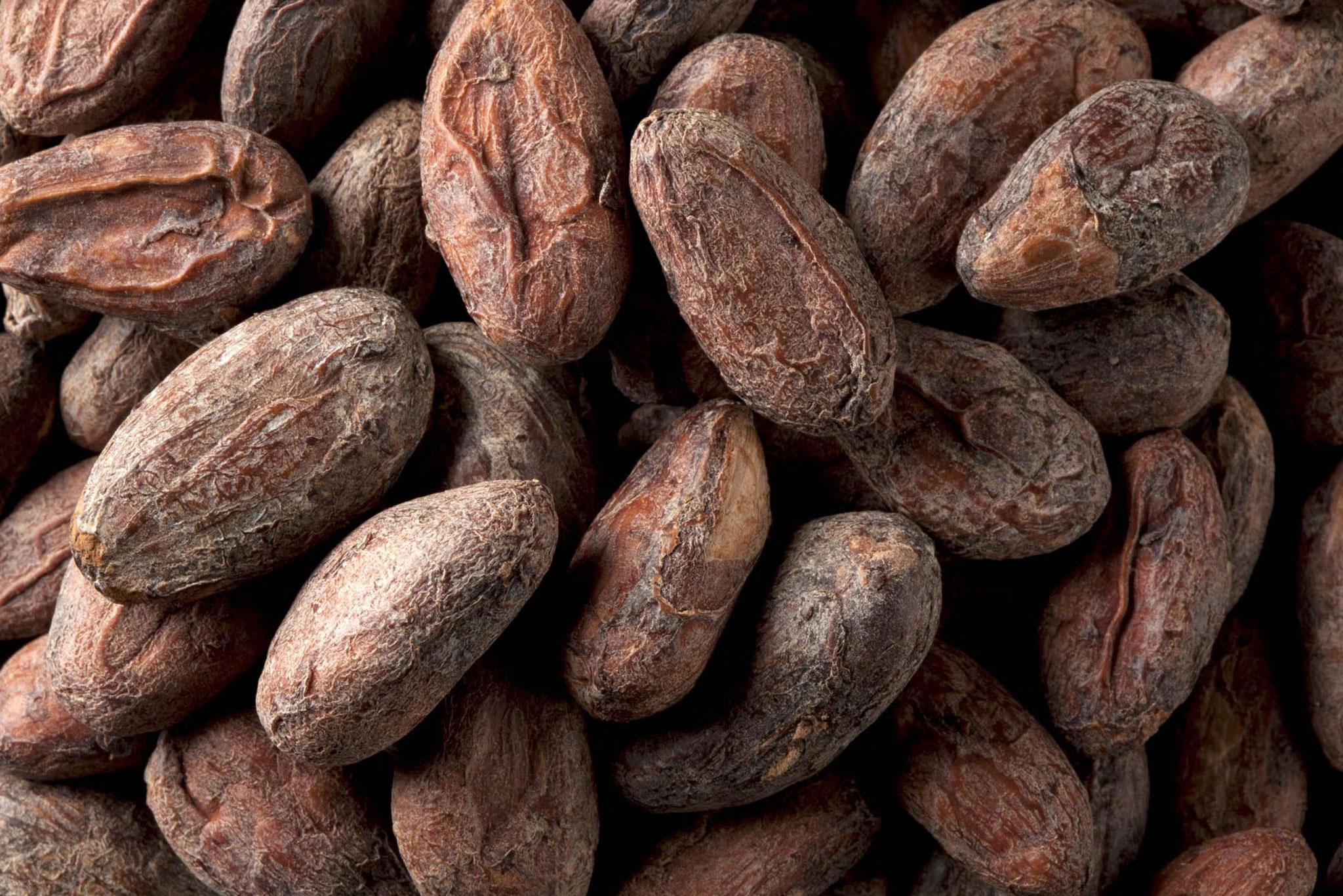
Cocoa is usually harvested as pods. The cocoa pod is ripe if it makes a hollow sound when tapped. Once the cocoa beans are removed from the pods, they are coated in a sweet white pulp which is fermented and left to dry. The beans are fermented so as to destroy the seed coat, kill the germ, and give the cocoa a good taste.

Preparation for exports

Drying

There are two methods for drying beans which are sun drying and artificial drying. Sun drying involves the beans being spread on mats, trays on concrete floors in the sun. In some countries, drying takes place on wooden dry floors with moveable roofs. The beans are normally turned or raked to ensure uniformity of drying.

Artificial drying

Artificial drying is usually employed in countries where the sunshine is not adequate for sun drying. There are convection driers which consist of a simple flue in a plenum chamber and a permeable drying platform above.

Preparation

After the cocoa has been harvested and the beans have been properly dried, they are usually cleaned and then packaged for exports. These beans are taken to the manufacturing industries where the beans are ground and used to extract cocoa powder and obtain the different products manufactured in respective companies
What is the price of cocoa in the commodity market?

The cocoa industry, though capital and time-intensive is a very lucrative area for business and in each crop year, millions of tons are produced and exported from the different exporting countries in Africa and South America.

What are the health benefits of Cocoa products?

Cocoa is not just satisfying to the tongue when mixed with milk and sugar, it has other health benefits which include;

Who are the Major buyers of cocoa?

The market for cocoa globally is large with the largest importers being the United States, Germany, France, United Kingdom, Netherlands, Canada, Belgium, Poland, etc. One of the major problems with the cocoa market is that the demand is not as much as supply.
This implies that there is enough room in the market for those willing to go into large scale production of cocoa.
The chocolate bars relished by all come from a source that goes through diverse processes before becoming dark chunks of goodness. So, the next time you see a chocolate bar in a store, think about the pods and the beans, then purchase gladly.

Happy hours - get 25% off

There are people who can’t start their day without having a freshly brewed cup of coffee and we understand them.