
Palm Kernel Nuts

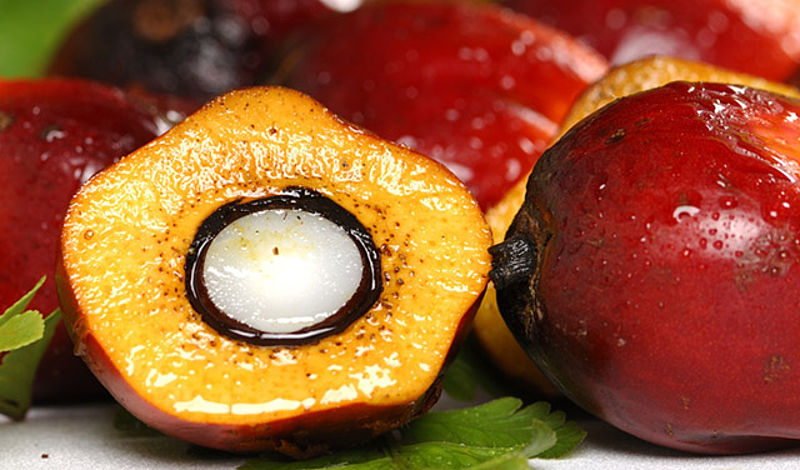
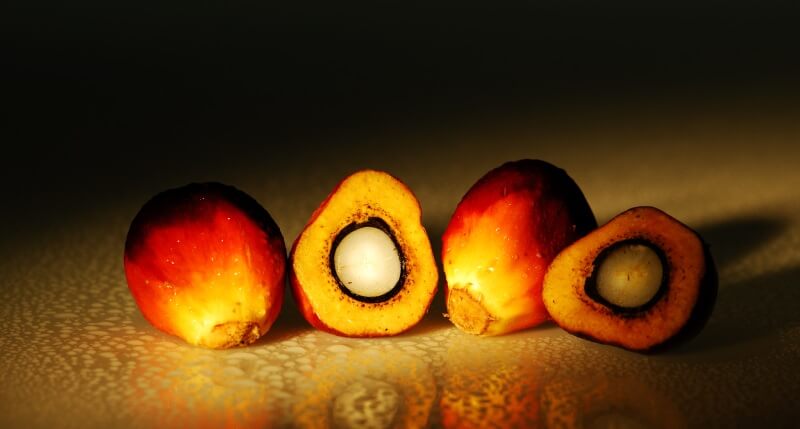
The palm kernel nut is the edible seed of the oil palm fruit. It is a by-product from the milling of palm oil. The source of the palm kernel nut is the oil palm tree which is known scientifically as Elaeis guineensis.

What Are Palm Kernel Nuts?

The palm kernel nut is the edible seed of the oil palm fruit. It is a by-product from the milling of palm oil. The source of the palm kernel nut is the oil palm tree which is known scientifically as Elaeis guineensis. 
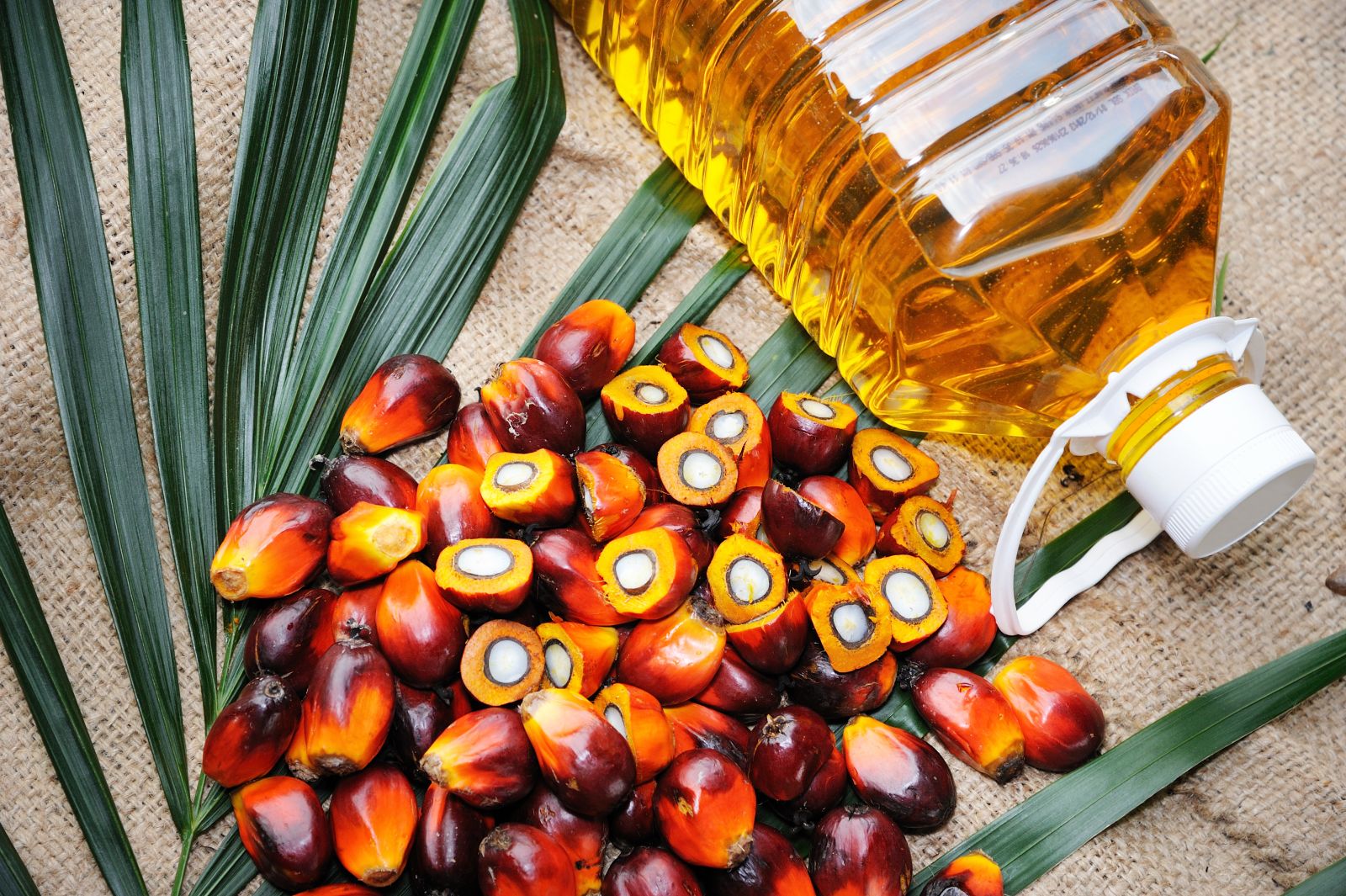
The oil palm tree produces three major products: Palm oil (gotten from the fleshy part of the fruit), Palm kernel oil (gotten from crushing the palm kernel nut) and Palm Kernel cake (the by-product of crushing the nuts)

What Is the History of Palm Kernel Nuts and How Did it Get to Nigeria?

The first human use of oil palm trees dates as far back as 5,000 years in West Africa in the late 1800s. Archaeologists discovered palm oil in a tomb at Abydos dating back to 3,000 BCE. It is believed that the Arab traders brought the oil palm to Egypt.
It originally grew in West Africa. The southern coast of Nigeria was originally called the Palm oil coast by the first Europeans who arrived there and traded Palm oil. The area was later called the Bight of Biafra.
In traditional African medicine, different parts of the plants are used as a laxative and diuretic, as a poison. The purchase of palm oil was rampant in Europe in the 1900s, but palm kernel oil remained rare outside West Africa until recently.

How are Palm Kernel Nuts Grown?​ 

Climate The oil palm is cultivated in the regions where it is hot all the year round between 25 and 28 degrees Celsius. These are the tropical regions 10 degrees north and south of the Equator. If the temperature drops, the oil palm produces fewer leaves and is more often attacked by diseases. It also requires a lot of rainfall and a lot of sunshine.
Planting and cultivation The seeds of the palm tree are usually germinated in a container. The young seedling stays in the container for 4 to 5 months and is not transplanted until about a year of its maturation.The type of soil required for proper growth of the oil palm tree is usually well drained deep loamy soils rich in organic matter, which are obtainable in the tropical rainforest regions.
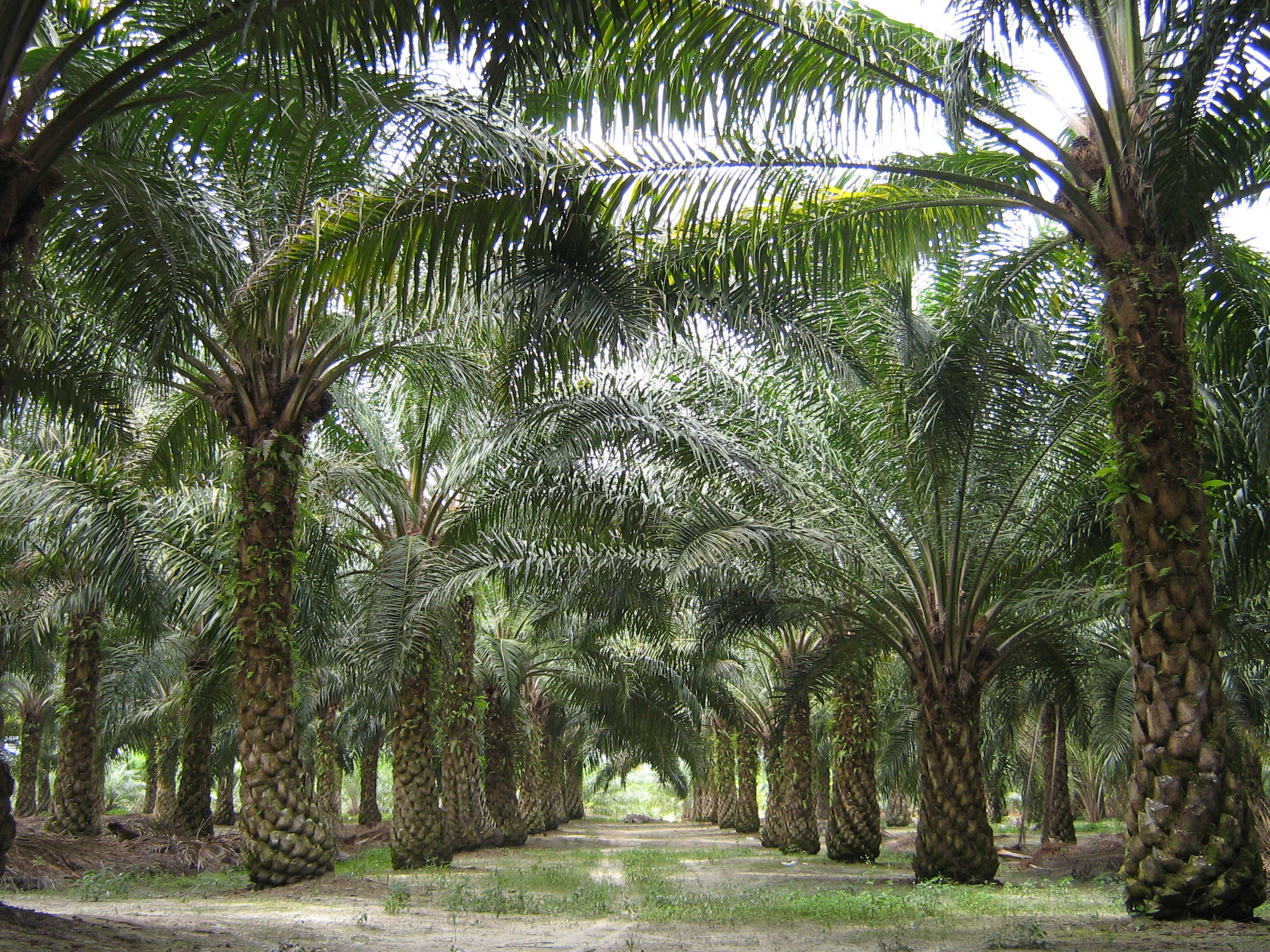
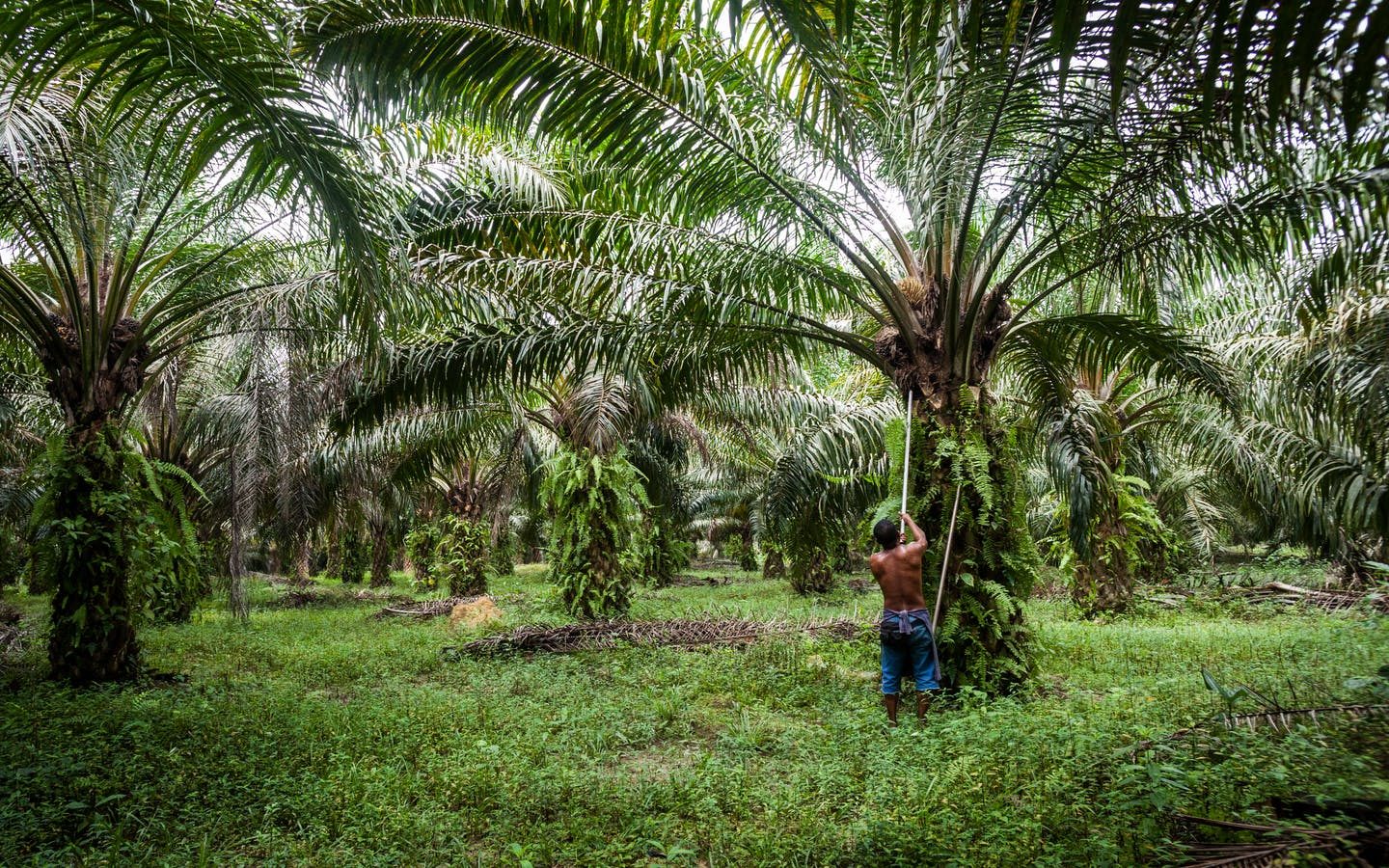
The oil palm has no branches, and grows with only a trunk and leaves. The palm kernel tree has a stout trunk that grows up to 75 cm in diameter and grow up to 20 m tall. The palm kernel flowers are usually densely clustered with small flowers having three sepals and petals.
The oil palm tree begins to produce 3 or 4 years after it has been planted. The fruits come in clusters and each fruit consists of two parts: Pulp – the pulp is yellow and when crushed, it produces palm oil. Seed – inside of the shell of the seed is the palm kernel nut. When the kernel is crushed, it yields palm kernel oil. There are different varieties of oil palm. Dura, Pisifera and Tenera. The dura palms have kernels with a thick shell, while the Pisifera palms have kernels with no shell. The Tenera palms on the other hand have kernels with a thin shell. The primary difference in these species is the size of the fruit shells.

Where Are Palm Kernel Nuts Grown Worldwide?

The palm kernel trees grow in vast areas of the tropical rainforest worldwide. They grow in the continents of Asia, Africa and South America. Indonesia is the largest producer of oil palm in the world, followed by Malaysia. These two countries account for 84% of the World’s production of palm oil. Other countries involved in the growth of oil palm trees include, Nigeria, Thailand, Columbia, Ecuador, Guatemala.

Nigerian production accounts for 7% of total global output of palm oil. In Nigeria, the major oil palm producing states are Enugu, Imo, Ondo, Edo, Cross river, Delta, Akwa Ibom, Ekiti, Bayelsa, Rivers, Anambra, Oyo, Abia, Edo and Ogun states.
Harvest time

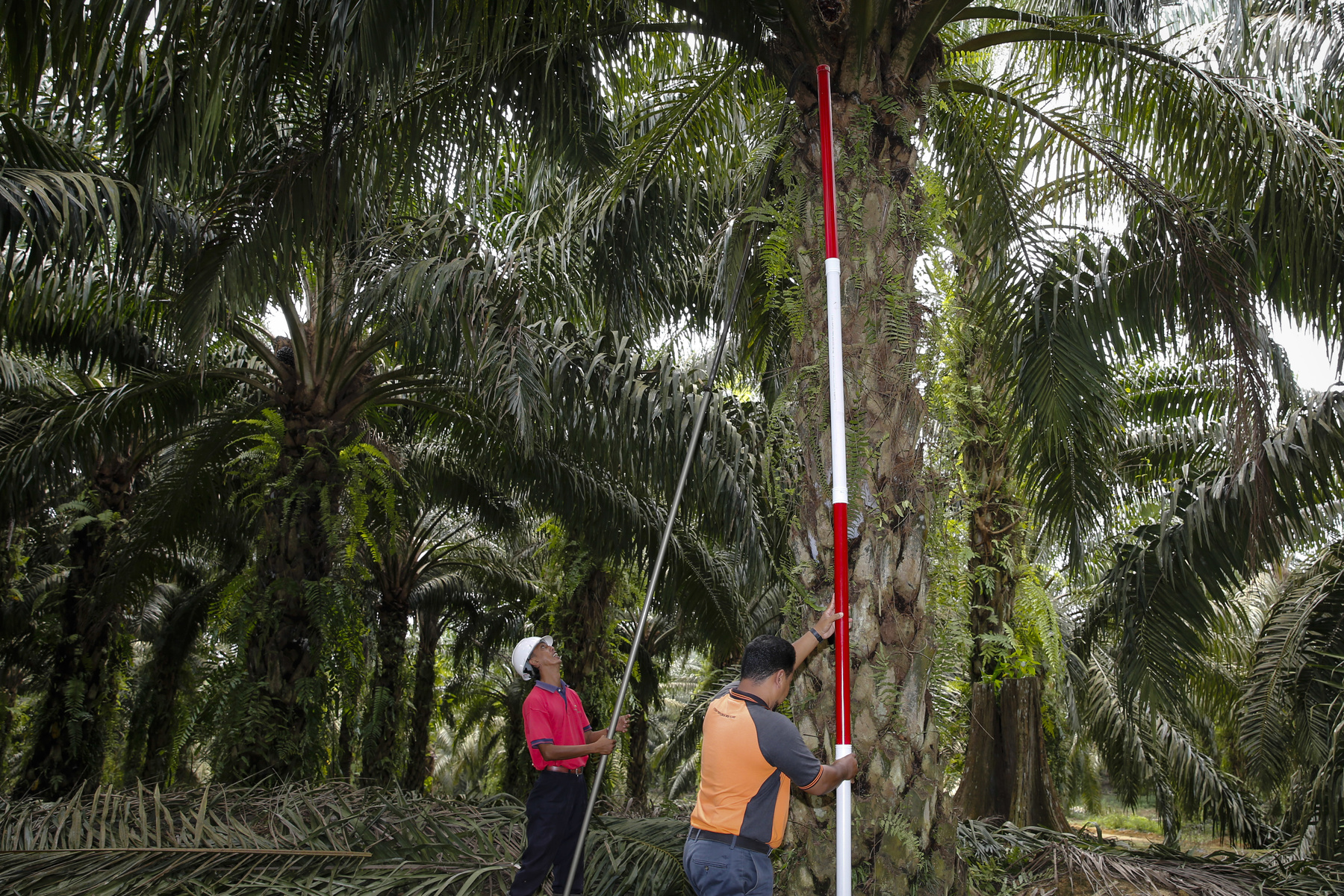
Harvesting of oil palms begins 3 to 4 years of planting and after the first yield, they are harvested throughout the year. The harvest is usually done in 2 – 3 weeks intervals as the bunches ripen.

How Are Palm Kernel Nuts Harvested and Processed?

Ripe clusters of fruits are usually harvested together. A cluster is ripe for harvesting when the fruits begin to turn red, and when a number of the fruits drop to the ground. The clusters are cut off with machetes or sickles.
The fruit is usually threshed and sterilized. After that, the palm oil is digested by rupturing or breaking down the oil-bearing cells. The fruit is heated which helps to reduce the viscosity of the oil. After the fruit has been digested, there are two method of extracting the oil, the dry and wet method.
The dry method involves squeezing the oil out of a mixture of oil, moisture, fibre and nuts by applying mechanical pressure. The wet method, on the other hand is the use of hot water to leach out the oil. The residue from the press usually consists of a mixture of fibre and palm kernel nuts. The nuts are separated from the fibre. The fibre is pressed to produce second grade that can be used in soap making The palm kernel nuts are dried and cracked. They are usually heated after being pound to release palm kernel oil. What remains from the nuts is then kept as palm kernel cake.

What are the Prices of Palm Oil and Palm Kernel Oil in the Commodity Market?

According to current world prices, palm kernel oil prices are generally around the same price as that of palm oil, only differing by some tens of dollars per metric ton.
The price range is from 600 to 800 US Dollars per metric ton in the commodity market.

Palm kernel oil – This is different from Palm oil and is gotten from crushing the palm kernel nuts. It is semi-solid at room temperature and is more saturated than palm oil. Palm kernel oil is commonly used in commercial cooking and is also suitable for the manufacture of soaps, washing powders and personal care products. Palm kernel cake – This is the pulp left after oil has been extracted from the palm kernel. It is a high-fibre medium grade protein feed best suited for ruminants. It is ideal for dairy cattle due to its protein content.
What are the Health Benefits of Palm Kernel Products?

Palm Kernel oil
⦁ Palm kernel oil has no cholesterol and is a perfect replacement for lard and butter in the cooking process.
⦁ It is loaded with antioxidants and has a sufficient amount of vitamin E to keep the skin healthy.
⦁ It is an amazing source of healthy unsaturated fats as well as medium chain fatty acids.
⦁ Palm kernel oil is rich in one of the most important fat-soluble vitamins which is Vitamin K. It boosts bone health and also acts as a blood coagulant.
⦁ Palm kernel oil has zero trans-fat and is ideal for those who want to lose weight.
⦁ It has a lot of Vitamin A which is required for proper vision.
⦁ Palm kernel oil can be used to improve hair growth. It thickens hair and reduces hair falling by making it stronger.
⦁ With its use in soaps and skin creams, it makes the skin naturally soft and glossy.

Palm oil
⦁ Palm oil is rich in vitamin A and helps to improve visions.
⦁ It is used in the treatment of brain disease and prevention of cancer.
⦁ It is used in normalizing high blood pressure by reducing the bad cholesterol levels in the body.
⦁ It slows the progression of heart disease.
⦁ It improves skin and hair health.
⦁ It slows down aging in humans by reversing the human biological clock.

Quick Facts about Palm Kernels
⦁ The oil from the palm kernel nut is wonderful for culinary purposes.
⦁ Many people use palm oil as excellent lubricant for machine tools.
⦁ Most of the detergents and soaps people use today are made from the nice combination of palm kernel oil and caustic soda.
⦁ Palm oil is the end product of the extraction process from the palm kernel nuts.
What are the Health Benefits of Palm Kernel Products?

Who are the Major Buyers of Palm Products Globally?

For palm produce globally, the major buyers are Netherlands, New Zealand and Germany which process such products for different purposes to export. The palm kernel tree is a source of so many important and healthy products. Palm oil is the main oil used for cooking worldwide, and palm kernel oil is also a viable alternative which has many health benefits and is equally used for cooking and cosmetics. The by-product of oil processing which is the residue of the crushed nut is also good feed for dairy cattle.
As environmentally-friendly fuels called biofuels are being looked to in recent times, palm oil is also being used to produce biofuels for electricity. Other parts of the palm tree are used for construction and weaving of basket. The palm kernel tree is truly a wonder of nature.

Frequently asked questions

Although, not completely proven scientifically. It is believed that the consumption of unripe palm kernel nuts can shrink the size of fibroids when taken with other organic foods like unripe pawpaw and aloe vera.

Yes! It is widely believed that a mere combination of palm oil with honey works wonders.

Happy hours - get 25% off

There are people who can’t start their day without having a freshly brewed cup of coffee and we understand them.